Leadership Gathering: Envisioning the Church of Tomorrow
News
The idea behind the Leadership Gathering
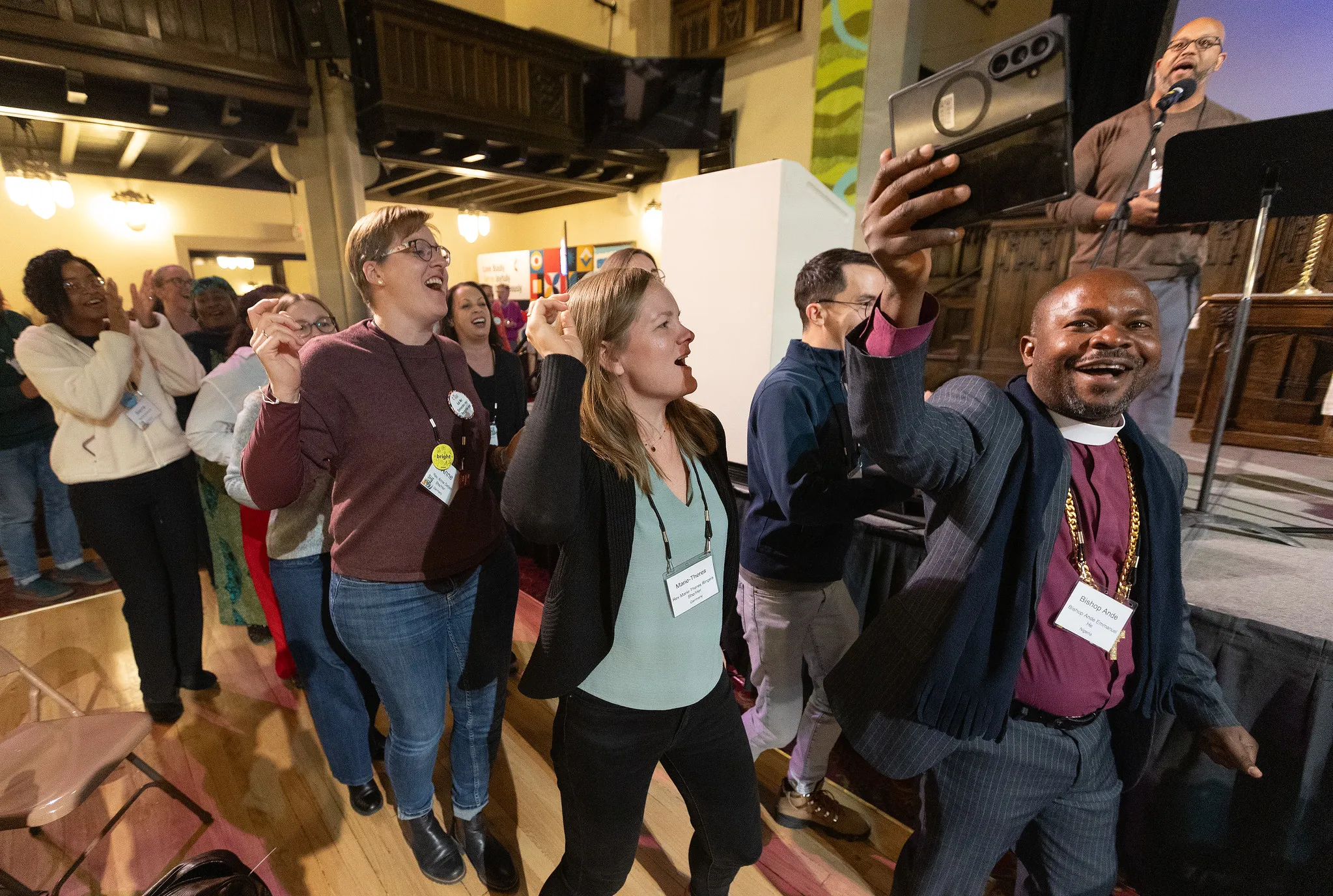
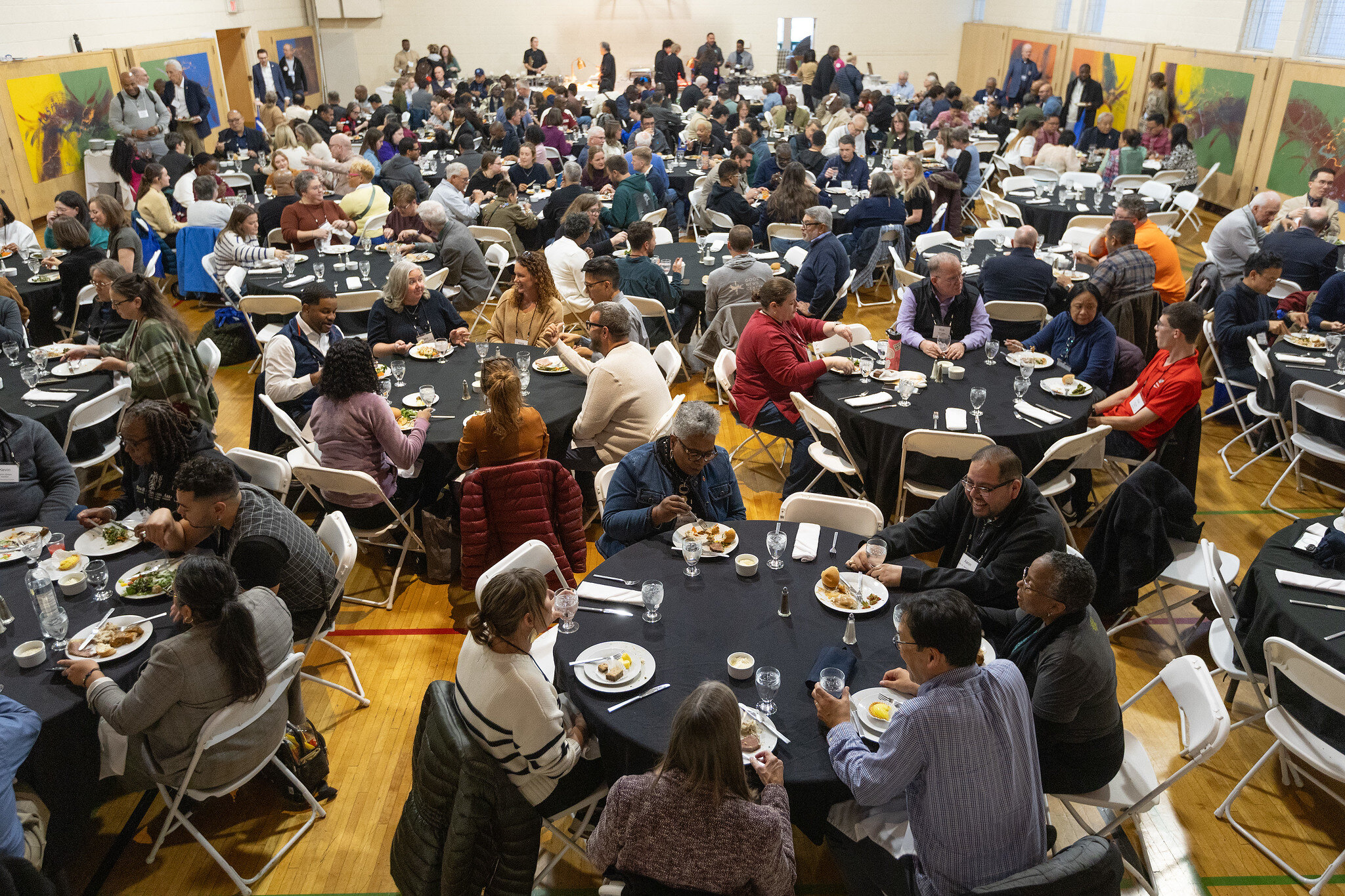
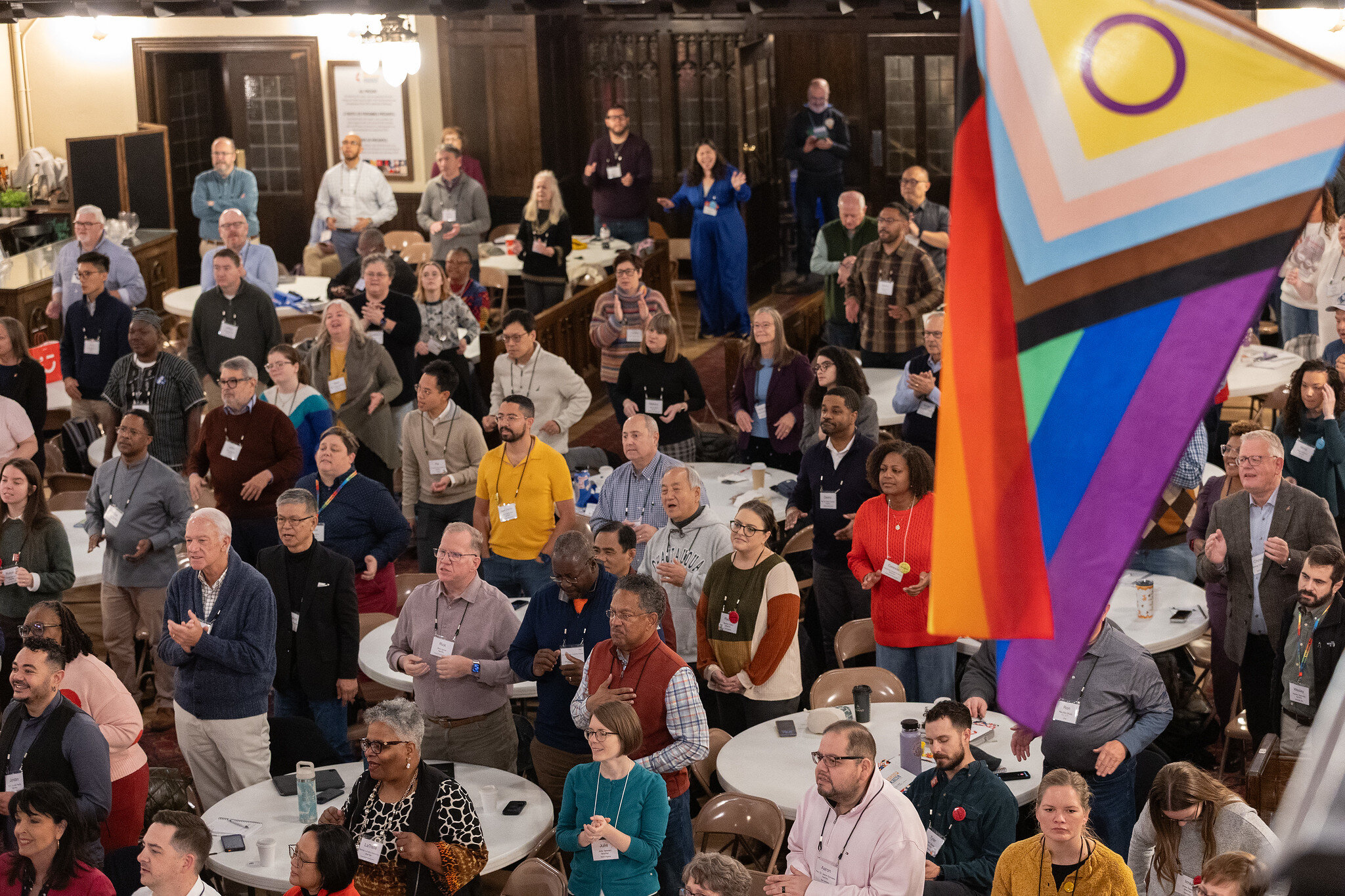
At the end of October 2026, the United Methodist Church’s Global Council of Bishops invited over 280 full-time and voluntary leaders from around the world to Calgary (Canada). 235 delegates from four continents, including Superintendent Stefan Schröckenfuchs, were able to meet in person at Knox United Church. A further 46 delegates, mainly from Africa, were only able to participate virtually due to entry restrictions into Canada. More than a third of the participants were under 35 years of age.
Developing visions rather than making decisions
Unlike the General Conference, the church’s highest legislative body, no decisions were taken in Calgary. The focus was on something else – on listening, praying and jointly shaping visions: “I don’t want to spend a decade managing decline,” Bishop Rubén Saenz Jr., President of the Council of Bishops, had said beforehand. Rather, the aim was to envision a church “that future generations will welcome and value”.
The meeting was based on the results of a global survey of Methodists, which identified three priorities: fostering innovative forms of discipleship, empowering younger generations and listening more closely to voices from around the world. A total of 16 “federal groups” worked across five thematic areas – discipleship, leadership, impact, stewardship and accountability – with each group developing a recommendation based on a specific challenge.


Concrete proposals
The outcome was a host of proposals for the “UMC of 2050” – some concrete, others visionary. Key points include:
- Putting children and young people at the centre: Young people should not have to wait until ‘someday’ it is their turn – they are already part of the Church. Specifically, the groups propose that church spaces, funds and opportunities be targeted specifically at those under 18. In addition, ten new, locally rooted Christian circles are to be established in every church region, in which young people can seek answers together to the major crises of our time – from climate change to conflicts. And young adults are to be specifically prepared for and supported in leadership roles.
- Discipleship rather than statistics: In future, success should no longer be measured by how many members a congregation has or how much money ends up in the collection plate. “Shaping people to follow Jesus, rather than just counting heads and coins” is the motto. The Church should accompany and encourage people to live as Jesus exemplified – in everyday life, in the neighbourhood, at work.
- Rethinking buildings and money: Church buildings and assets are there to serve God’s mission – not to preserve the institution. The groups encourage opening up spaces for fellowship with people in the local community and channelling available funds to where they help people – rather than devoting them solely to the church’s own self-preservation. The traditional division (“each congregation funds its own project”) should also be overcome in favour of creative collaboration.
- A global church on an equal footing: The UMC is at home on four continents – yet not all voices have carried equal weight so far. For example, churches in Africa should not be treated as supplicants, but as equal partners: with mutual respect, shared responsibility and joint ministry. Rural and urban congregations should also be linked together globally so that they can learn from one another.
- Taking a stand against injustice: In the baptismal vow, Methodists promise to “resist evil, injustice and oppression”. This pledge is to be taken seriously once again – for example, through a short prayer to be said monthly in every Methodist church worldwide, encouraging reflection on how authoritarianism, racism and tribalism (loyalty solely to one’s own group) arise.
- Open to all: The church of the future must leave no one on the sidelines: deaf people and those with disabilities should be able to participate fully from the outset, and people in all their diversity should be included. Furthermore, congregations are to receive materials for evangelism and church development that are suited to their specific cultural context – because what works in a town in Austria may not necessarily be suitable for a metropolis in Africa.
A joyful and emotional sense of community
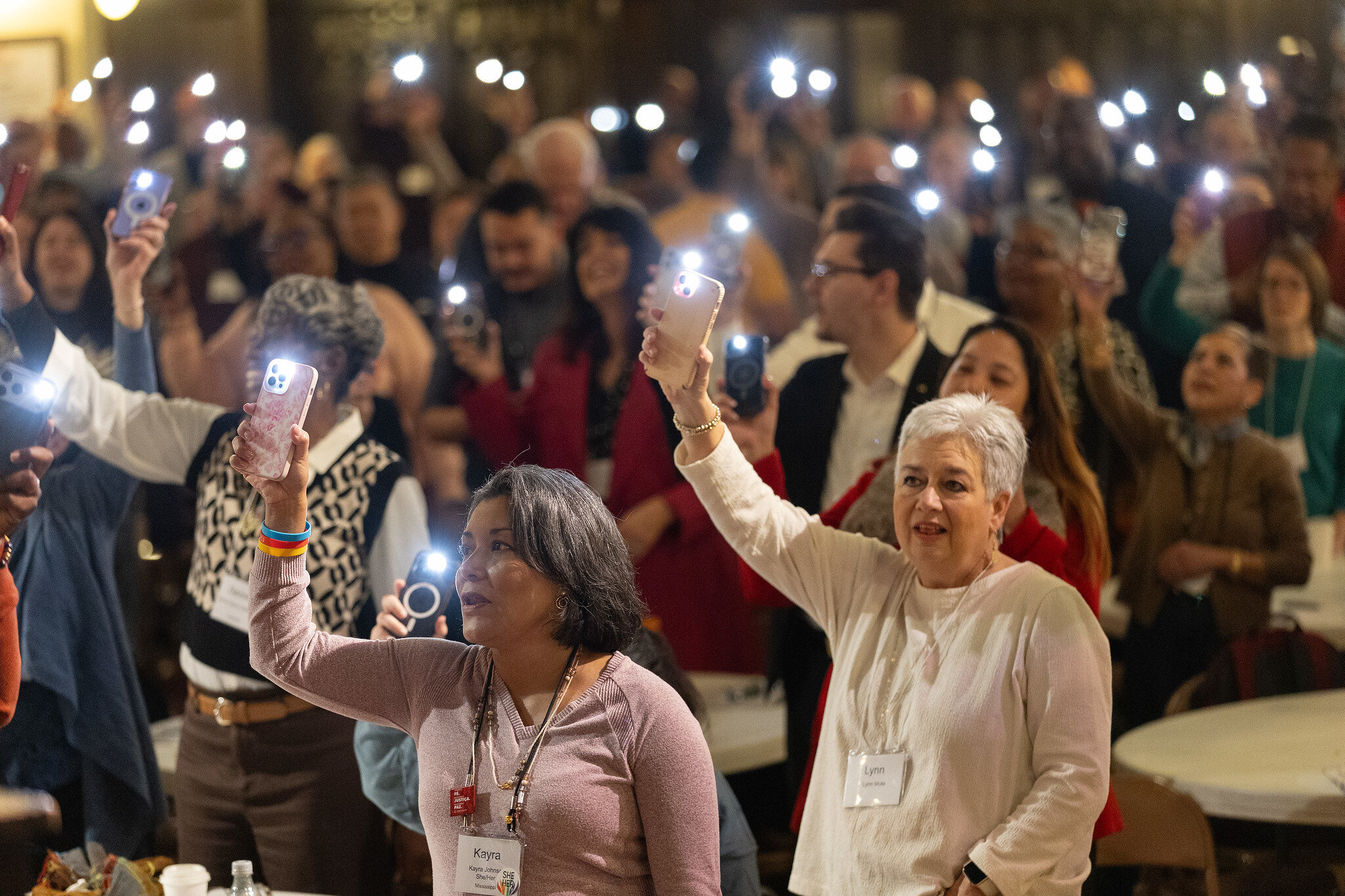
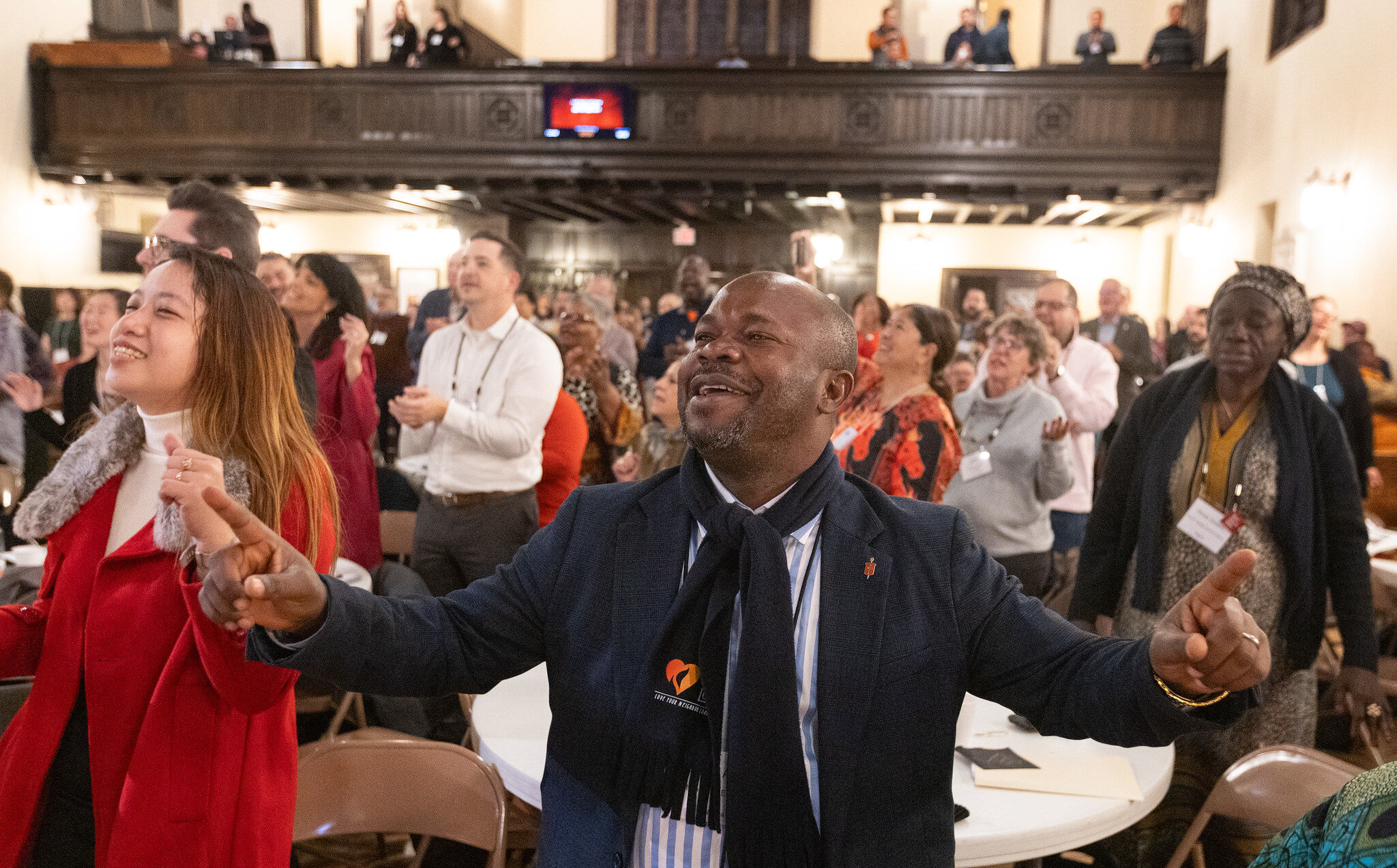
The week was characterised by joyful, lively worship services and in-depth small-group discussions. Many participants left Calgary feeling euphoric. “That was overwhelming – and it’s only the beginning,” said Teri Watanabe from Oregon. Whitley Henson, aged 29: “I have great hope for my generation and those who come after us.” Church historian Ashley Boggan hopes that in 100 years’ time, Methodists will look back on the 2020s as the church’s “great turning point”. At the closing ceremony, Bishop Ande Emmanuel led a dancing human chain to the song “We Are Marching in the Light of God”.
What happens next
The recommendations are not resolutions – they are an invitation. The Council of Bishops plans to present a report based on the recommendations to the whole Church in January 2027. The actual implementation is not to take place in conference halls, but on the ground, as Bishop Saenz emphasised: “The Church that is yet to come will take shape in congregations, classrooms, homes and neighbourhoods – far beyond Calgary.”
Audio clips from the Gathering can be heard on the Holy Club podcast